
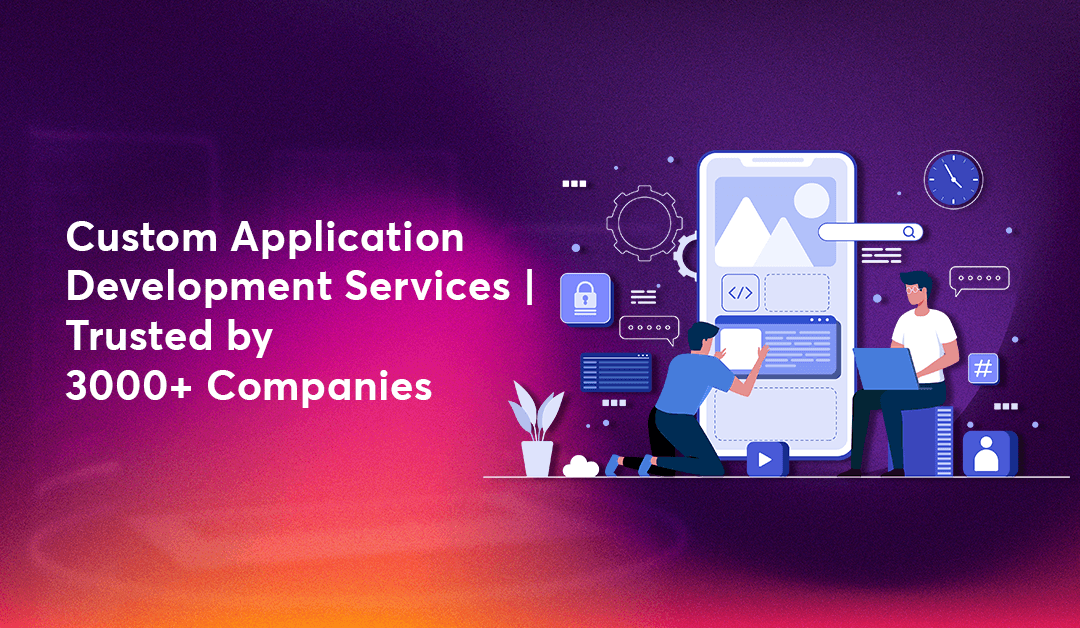
Core Development Pillars
To move from a concept to a market-ready application, we focus on four critical areas of development:
1. Strategic Discovery and Planning Before a single line of code is written, we analyze your business workflow. This phase identifies the "pain points" that generic software cannot solve. We map out the user journey and define the technical stack—whether it’s Python, Node.js, or PHP—to ensure long-term stability.
2. User-Centric Design (UI/UX) A custom app is only as good as its adoption rate. Our design team focuses on creating intuitive interfaces that reduce training time for your employees and friction for your customers. We prioritize responsive design so your application performs flawlessly on desktops, tablets, and smartphones.
3. Agile Engineering and Coding Using an Agile methodology, we break the project into "sprints." This allows you to see working versions of your application every few weeks, providing opportunities for feedback and adjustment before the final launch. This iterative process ensures the end product aligns perfectly with your evolving business goals.
4. Quality Assurance and Security Security is baked into our development process, not added at the end. We perform rigorous automated and manual testing, including:
Unit Testing: To verify individual components.
Penetration Testing: To identify and fix security vulnerabilities.
Load Testing: To ensure the app can handle thousands of simultaneous users without slowing down.
Solutions Tailored to Your Industry
Our experience across 3,000+ partnerships allows us to build specialized solutions for diverse sectors:
Fintech: Secure payment gateways, encrypted data handling, and real-time transaction monitoring.
Healthcare: HIPAA-compliant patient portals, telehealth integrations, and electronic health record (EHR) management.
Logistics & ERP: Custom inventory tracking, fleet management, and automated supply chain reporting.
SaaS Products: Scalable cloud-based platforms designed for multi-tenant subscription models.
Why Custom Development is a Strategic Investment
While the initial cost of custom software is higher than a subscription, the Total Cost of Ownership (TCO) is often lower over time. You own the code, meaning there are no "per-user" licensing fees that increase as your company grows. Furthermore, a custom application can be modified and expanded as your business pivots, providing a competitive edge that static software cannot match.
![Fix Windows 0x80004005 error [SOLVED]](https://strapise.cloudhousetechnologies.com/uploads/banner_fix_windows_0x80004005_error_9c97b9a4c9.png)