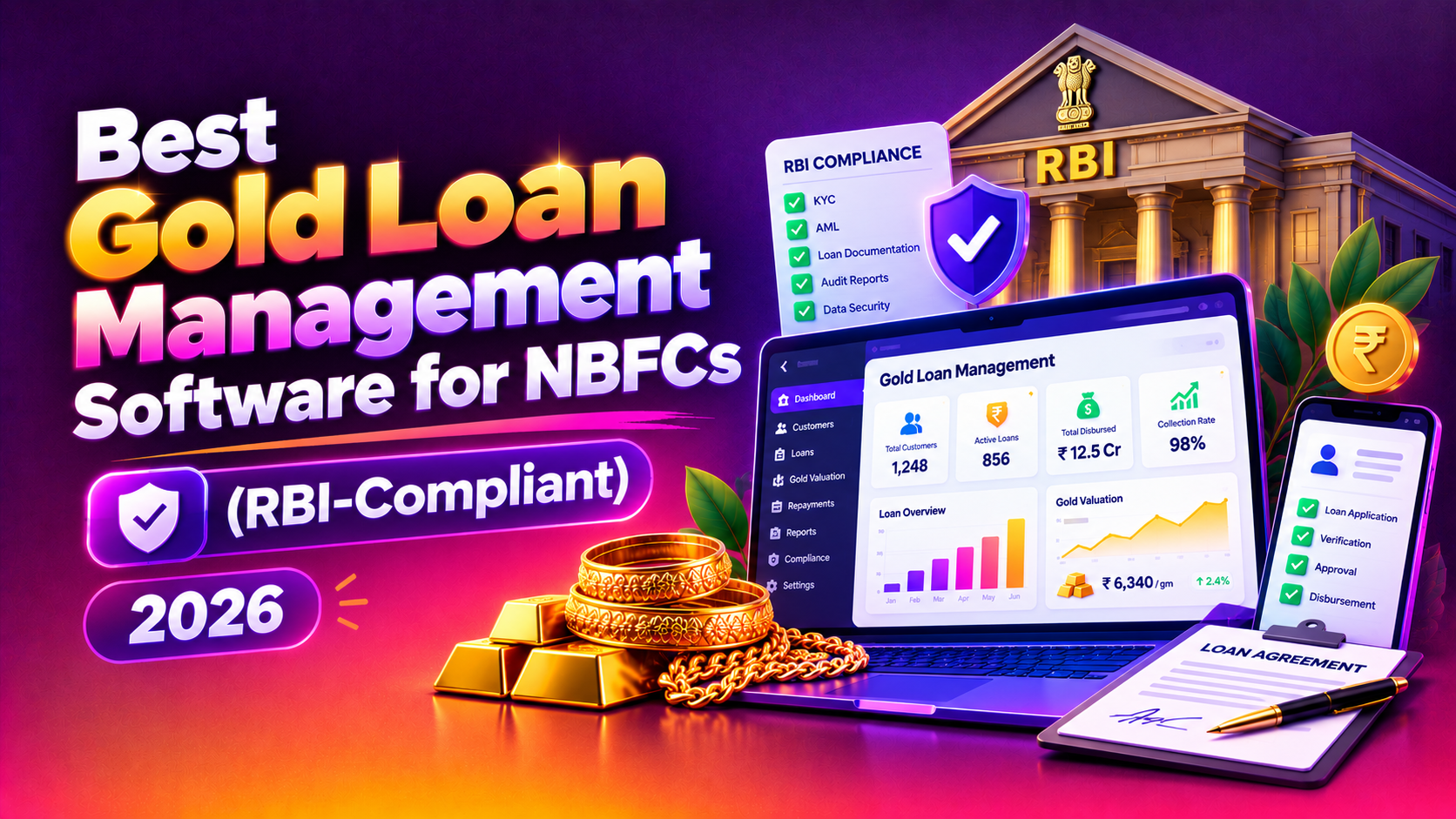
Choosing gold loan software for NBFC operations is not the same exercise as picking a generic lending CRM. An NBFC operations head or compliance officer evaluating platforms in 2026 needs software that will actually survive an RBI audit, reconcile across dozens of branches, and integrate with core banking — not just a basic loan-entry screen with a jewellery photo upload. This guide breaks down what genuinely matters when selecting NBFC gold loan software India-wide, and why most vendor pitches skip the parts that cause real audit pain.
Why NBFCs Need Purpose-Built Gold Loan Software
Generic loan management systems are built around amortising term loans, not the pledge-based, high-velocity nature of gold lending. A branch may originate, renew, part-release, or auction dozens of gold loans in a single day, each requiring purity verification, weight capture, and a physical custody trail. A true gold loan management software platform is built around the pledge lifecycle first — appraisal, vaulting, dual-custody handover, interest accrual, renewal, and release — with lending logic layered on top, not the other way around.
Since RBI's 2026 gold and silver collateral framework took effect on April 1, 2026, applying uniformly to banks, NBFCs, and co-operative lenders for the first time, the compliance bar for NBFC-specific tooling has risen sharply. Tiered loan-to-value (LTV) limits, standardised valuation methodology, and strict gold-return timelines are no longer "best practice" — they are enforceable obligations with financial penalties attached.
Must-Have RBI Compliance Features
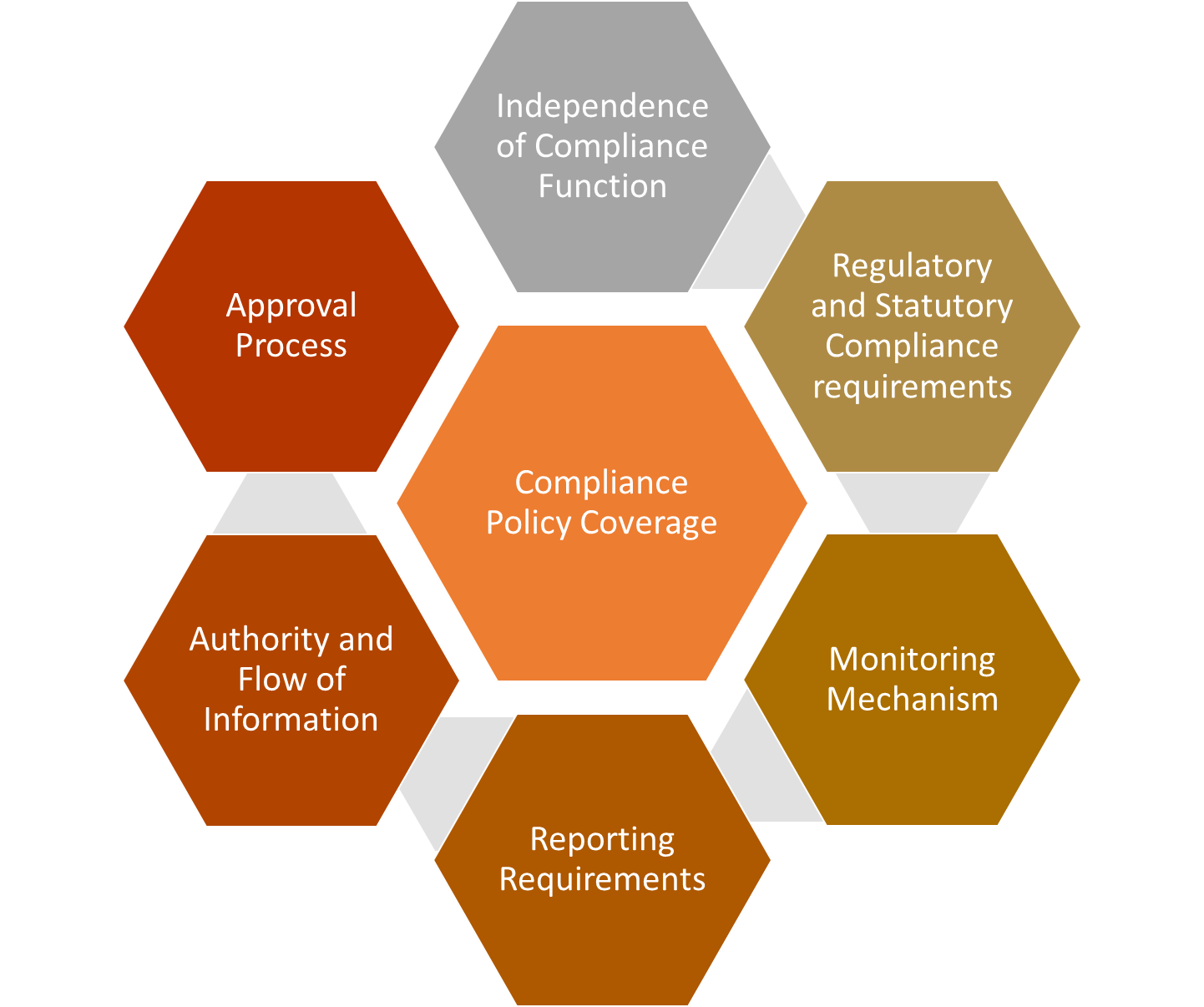
When you shortlist RBI compliant gold loan software, verify these capabilities are built in, not bolted on as a manual spreadsheet workaround:
- Tiered LTV enforcement — automatic caps of 85% for loans up to ₹2.5 lakh, 80% for ₹2.5–5 lakh, and 75% above ₹5 lakh, applied at disbursal, not just flagged after the fact.
- Standardised gold valuation — the system should price collateral using the lower of yesterday's closing rate or the 30-day average, factoring actual purity (22-carat benchmark), with the customer present during appraisal logged as a mandatory step.
- Collateral return SLA tracking — same-day or 7-working-day gold return after closure, with automatic penalty computation (₹5,000/day of delay) if the branch misses the window.
- Mandatory credit assessment triggers — enforced underwriting checks for loans above ₹2.5 lakh rather than pure collateral-only sanctioning.
- Auditable paper trail — every appraisal, valuation override, renewal, and auction event time-stamped and exportable for RBI inspection without IT intervention.
- Regulatory reporting exports — pre-formatted extracts aligned to RBI returns, including support for deposit-taking NBFCs that must file Form NBS-7 on the COSMOS portal within the 15-day window — a deadline new NBFCs frequently miss because their core system can't generate the return automatically.
Most vendor demos gloss over the last two points entirely. If a sales rep can't show you a sample NBS-7-ready export or an audit trail report on the spot, treat that as a red flag, not a roadmap promise.
Multi-Branch and Core Banking Integration Requirements
A single-branch gold loan tool falls apart the moment an NBFC scales past 5-10 locations. Look for:
- Real-time multi-branch consolidation — head office needs a live rollup of outstanding loans, vault stock, and overdue renewals across every branch, not an overnight batch file.
- Core banking system (CBS) integration — the gold loan module must post accounting entries, interest accruals, and NPA classifications directly into your CBS or general ledger via API, eliminating manual reconciliation between two systems.
- Vault and custody reconciliation — dual-custody controls (two authorised officers required for vault access) with a digital log that reconciles against physical stock counts.
- Branch-level role-based access — appraisers, cashiers, and branch managers should have distinct permission tiers, with escalation workflows for valuation overrides.
- Offline resilience — rural and semi-urban branches with unreliable connectivity need local capture with sync-on-reconnect, not a browser tab that fails silently.
This is precisely where generic gold loan CRM software options — built for lead tracking rather than regulated lending operations — tend to fail NBFCs once they cross a handful of branches.
Top Gold Loan Software Options for NBFCs in 2026
The market splits into three broad categories:
- Large enterprise suites (e.g. Newgen-style AI-first gold automation platforms) — strong on compliance depth and integrations, but priced and implemented for large NBFCs with dedicated IT teams and multi-month rollout timelines.
- Point solutions and gold loan ERP add-ons — cheaper, faster to deploy, but often missing CBS integration and multi-branch consolidation out of the box, requiring custom development later.
- Custom-built gold loan platforms — tailored to your exact branch network, CBS, and RBI reporting format from day one, avoiding the "80% fit, 20% workaround" problem common with off-the-shelf suites.
For mid-size and growing NBFCs — the segment most exposed to the 2026 compliance overhaul without the compliance headcount of a large bank — a custom-built or heavily configured gold loan ERP approach usually delivers the best balance of compliance coverage and total cost.
Pricing for NBFC-Scale Deployments
| Deployment Type | Typical Branch Range | Indicative Pricing Model |
|---|---|---|
| Point solution / SaaS module | 1–10 branches | Per-branch or per-user monthly subscription |
| Enterprise suite (Newgen-style) | 50+ branches | Large upfront licensing + annual maintenance |
| Custom-built platform (CloudHouse model) | 5–200+ branches | Fixed-scope build cost + optional hourly/monthly support retainer |
Whichever model you evaluate, insist on itemised pricing for CBS integration, RBI reporting modules, and per-branch onboarding — these are frequently quoted as "implementation extras" after the initial contract is signed, inflating total cost well beyond the headline license fee.
Why CloudHouse for NBFC Gold Loan Software
NBFCs choose CloudHouse Technologies' gold loan software for NBFC because it is built around the compliance and multi-branch requirements above from the first sprint, not retrofitted later. That means RBI-aligned LTV enforcement, NBS-7-ready reporting, and CBS integration are part of the core build — not a paid add-on module. Deployments are scoped to your actual branch count and audit calendar, with direct access to the engineering team rather than a tiered support ticket queue.
Frequently Asked Questions
What is the biggest compliance risk in choosing gold loan software for an NBFC?
The most common failure point is software that computes LTV or valuation correctly at the UI level but can't produce an auditable export for RBI inspection or NBS-7 filing. Always request a live audit-trail report and a sample regulatory export before signing a contract.
How much does gold loan management software cost for an NBFC?
Pricing ranges widely: point SaaS solutions for a handful of branches can start in the low lakhs annually, while enterprise suites for 50+ branches run into significant six or seven-figure licensing plus maintenance. A scoped custom build often lands in between, with cost tied directly to branch count and integration complexity rather than a flat license tier.
How long does it take to implement gold loan software across multiple branches?
A single-branch pilot can go live in 4-8 weeks. Full multi-branch rollout with CBS integration and staff training typically takes 3-6 months depending on branch count and how much customisation the RBI reporting module requires.
Do gold loan platforms integrate with existing core banking systems?
Good ones do, via API-based posting of accounting entries, interest accruals, and NPA classification directly into your CBS. Confirm this during evaluation — some vendors describe file-based nightly exports as "integration," which still requires manual reconciliation.
Can NBFCs trial gold loan software before a full multi-branch commitment?
Yes — most reputable vendors, including CloudHouse, will scope a single-branch or sandbox pilot so your operations and compliance teams can validate LTV logic, valuation methodology, and reporting exports against a real audit checklist before committing to a multi-branch rollout.