The Heartbeat of Modern Engineering: A Guide to Test-Driven Development
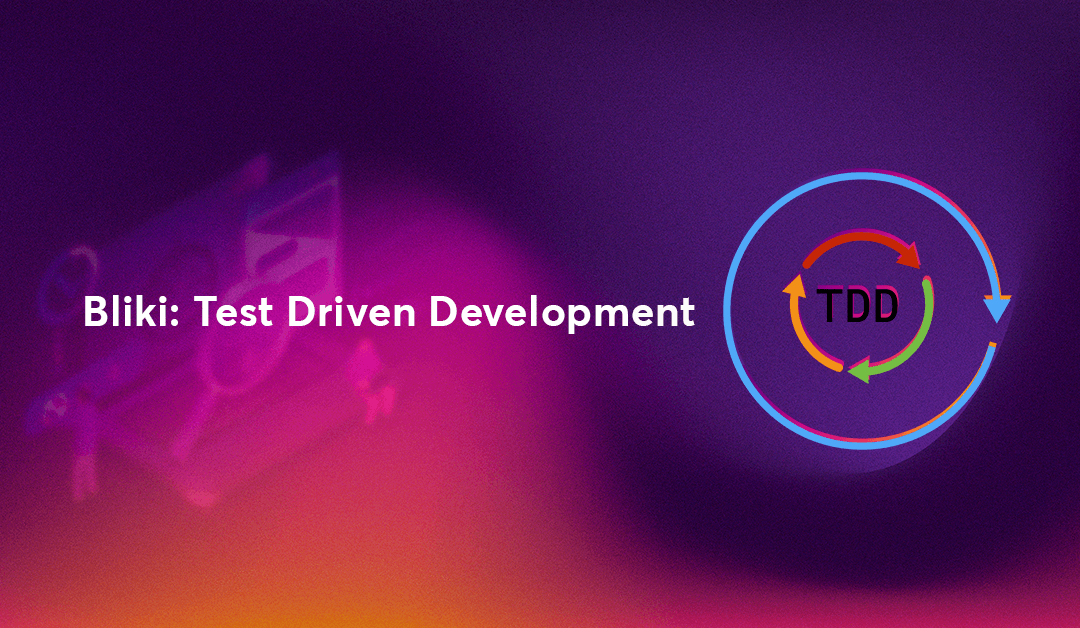
Test-Driven Development, or TDD, is far more than a technical checklist; it is a fundamental shift in the soul of software engineering. For decades, testing was the "afterthought"—the final hurdle to clear before a release. TDD flips that script, weaving verification into the very heartbeat of the creative process. It relies on a rhythmic, microscopic cycle that ensures every line of code serves a documented purpose. By turning the traditional model on its head, TDD evolves testing from a defensive chore into a powerful design compass that guides an application from its very first breath.
The Power of Intentional Failure
Chasing the Green Light
The Art of the Clean Slate
The final, and perhaps most human, part of the cycle is Refactoring. Now that the code works and is protected by a safety net, the developer can step back and breathe. This is the time to clean up the "quick and dirty" logic from the previous step. You can rename variables for better storytelling, remove duplicate logic, and polish the structure, all while leaning on your tests to ensure nothing breaks. It’s a process of continuous renewal that keeps a codebase from becoming a tangled mess over time.
Navigating the Human Hurdles
Of course, no methodology is a silver bullet. Mastery of TDD requires navigating some very real-world friction. Teams often talk about the "TDD Tax"—the initial slowdown as you spend more time writing tests than shipping features. There is also the daunting task of introducing TDD to "legacy" codebases that weren't built with testability in mind. Furthermore, it takes a seasoned eye to avoid "over-testing," which can create a brittle environment where every small change breaks a dozen tests. Finding the balance is a journey of pragmatism over dogma.
A Culture of Confidence
Ultimately, embracing TDD is about building a culture of confidence. Because the test suite grows alongside the software, it becomes a living manual of how the system is supposed to behave. This gives developers the freedom to be bold—to try big architectural shifts or refactor massive modules—knowing the safety net is always there. By committing to the rhythm of Red-Green-Refactor, we move away from "coding by prayer" and toward a disciplined, reliable craft where simplicity and clarity are the ultimate rewards.
Share this article
Loading comments...
© 2026 CloudHouse Technologies Pvt.Ltd. All rights reserved.